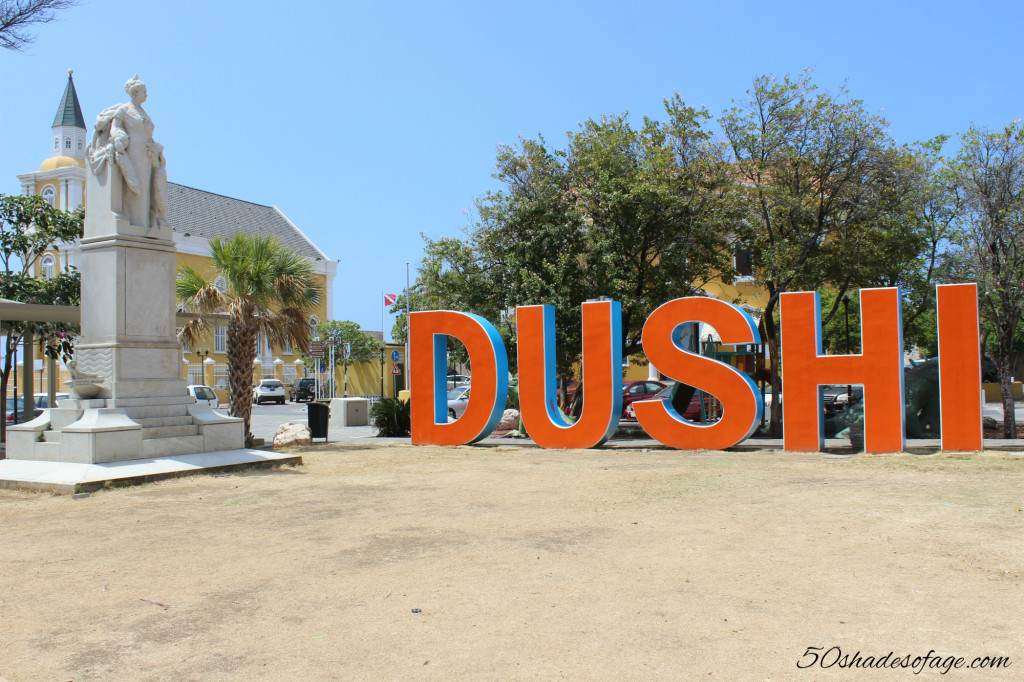
Dushi – Willemstad, Curacao
I think the most curious thing about Curacao, the sixth stop on our cruise, is the Queen Emma Pontoon Bridge, which joins Punta to Otrabanda districts in the capital of Willemstad. Also known as the “Swinging Old Lady,” it swings open using two powerful ship motors, allowing ships to access the port. So you can be crossing the bridge and all of sudden be stranded in the middle of the harbour on this floating structure!
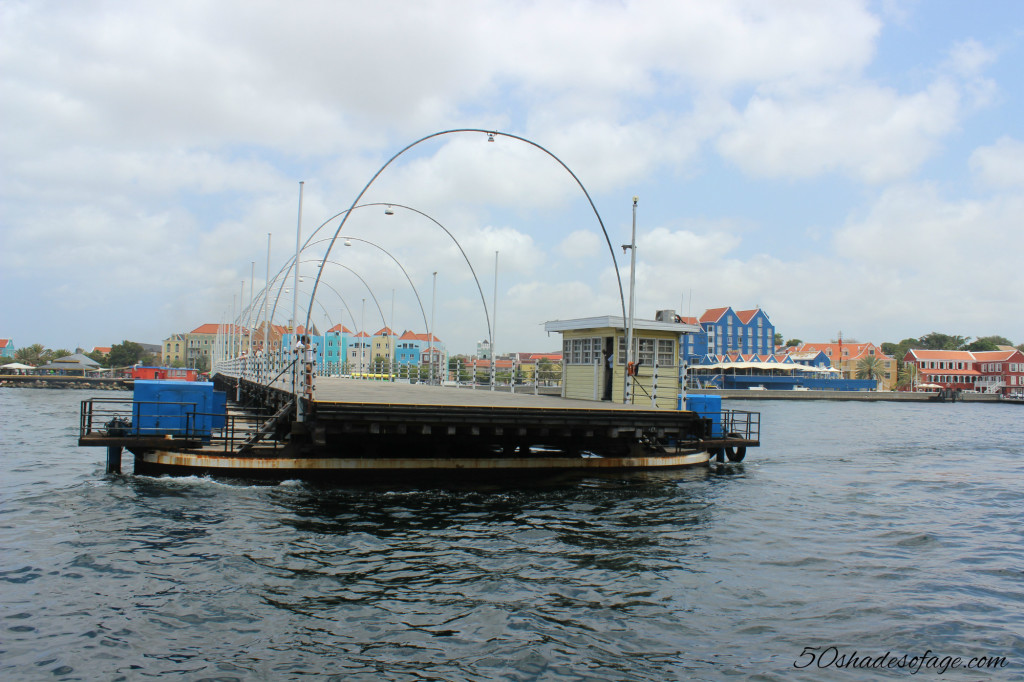
Opening Queen Emma Pontoon Bridge, Willemstad
This Dutch Caribbean island located approximately 65 kilometres north of the Venezuelan coast, has all the ambience of Old Amsterdam, with its Dutch inspired multi-coloured buildings and wide range of historic buildings in and around Willemstad that has resulted in the capital being designated as a UNESCO World Heritage Site.
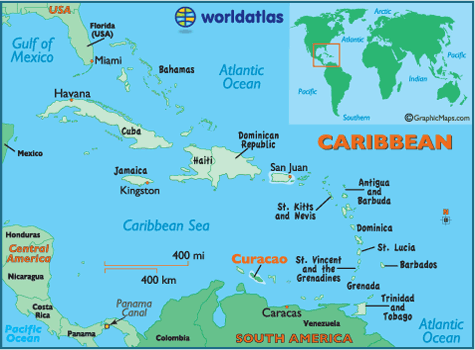
Map of Curacao

Multi-coloured Dutch inspired buildings in Willemstad
But the other curious thing about it is the name “Curaçao” has become associated with a shade of blue, because of the deep-blue version of the liqueur named Curaçao, that is produced on the island. This liqueur is made from the dried peel of the laraha citrus fruit, (a bitter orange), grown on the island and doesn’t just come in its trademark blue colour, but also can be red, orange, green, yellow, brown or clear.
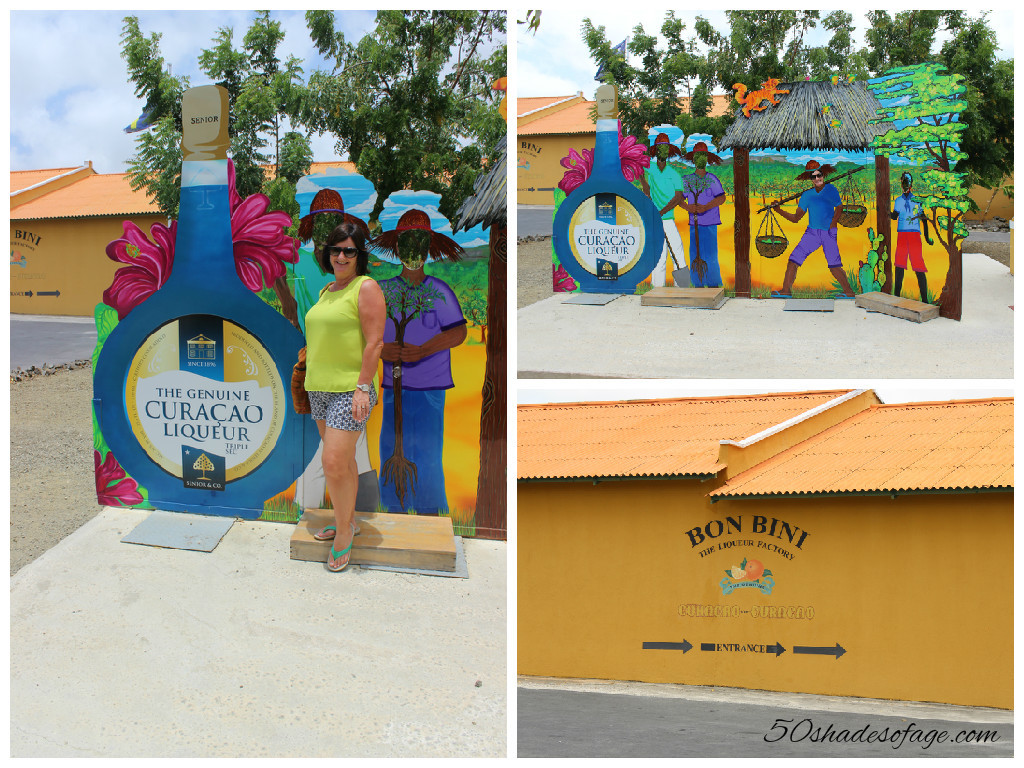
Curacao Liqueur Factory
When the Dutch arrived in 1634, they built forts at key points around the island to protect themselves from foreign powers, privateers and pirates. Six of the best preserved forts can still be seen today.
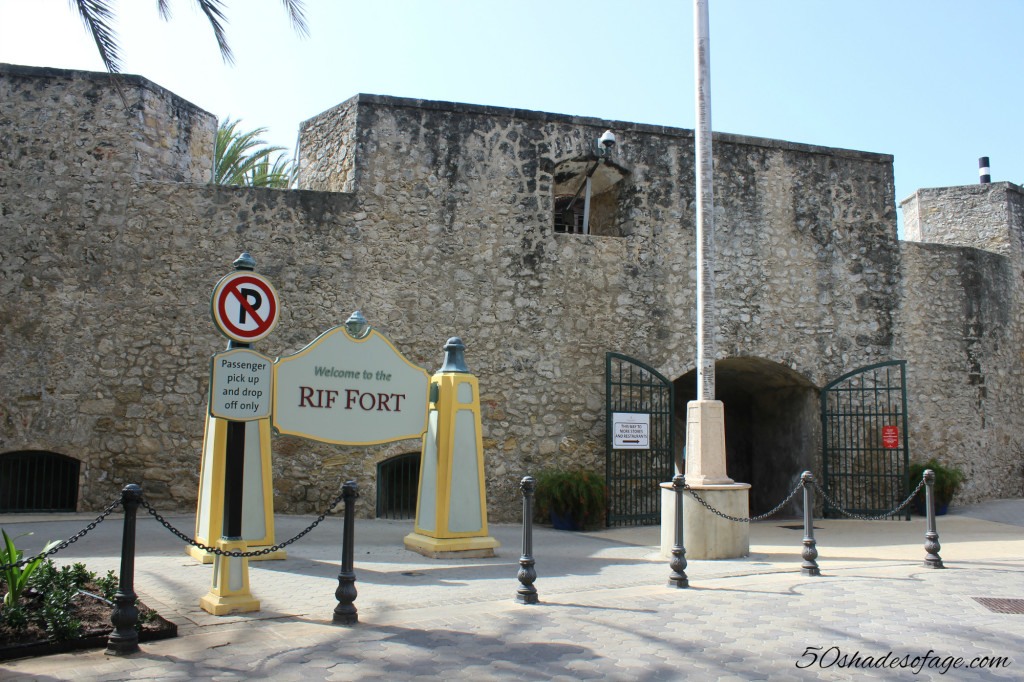
Rif Fort, Willemstad
Curacao was involved heavily in the slave-trade, who worked on plantations and salt mines on the island, until slavery was abolished in 1863. After the the discovery of oil at Mene Grande in 1914, the Dutch government built an extensive oil refinery installation which boosted the Curacao economy immensely.
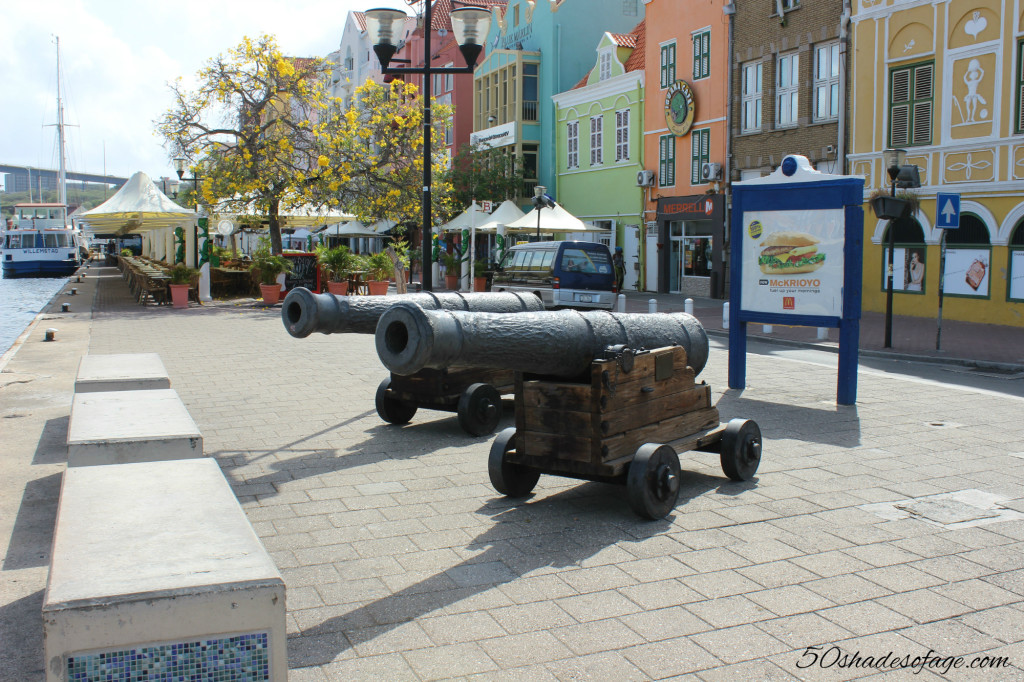
Canons in Punta, Willemstad
Interesting Fact: Prostitution in Curaçao is legal, just like the capital city of The Netherlands, Amsterdam. A large open-air brothel called “Le Mirage” or “Campo Alegre” has operated near the airport since the 1940s.
Most visitors that disembark the cruise ship walk across the famous Queen Emma Pontoon Bridge and take several snaps in the process of the curious bridge, with the multi-coloured buildings lining the harbour in the background, in the Punta district. A walk around town is definitely worthwhile with beautiful buildings, statues, history, world-class shops and interesting floating markets.
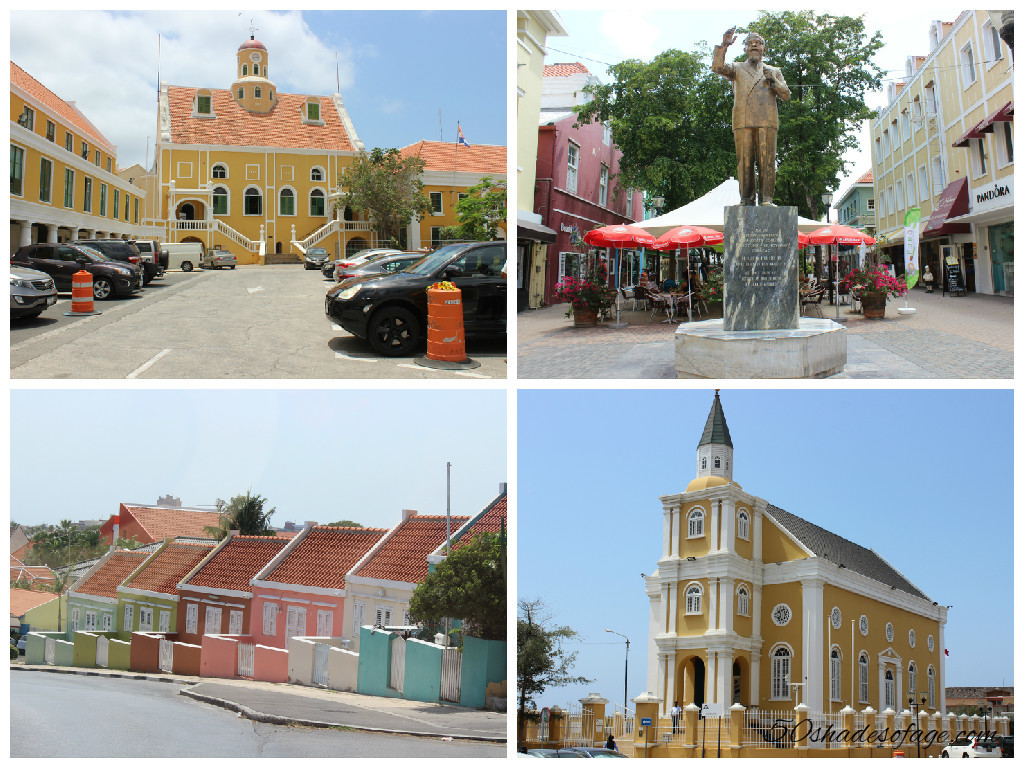
Sights of Willemstad
Did I mention that the shopping is extremely good in Punta, Willemstad? Well yes, I think I might have!
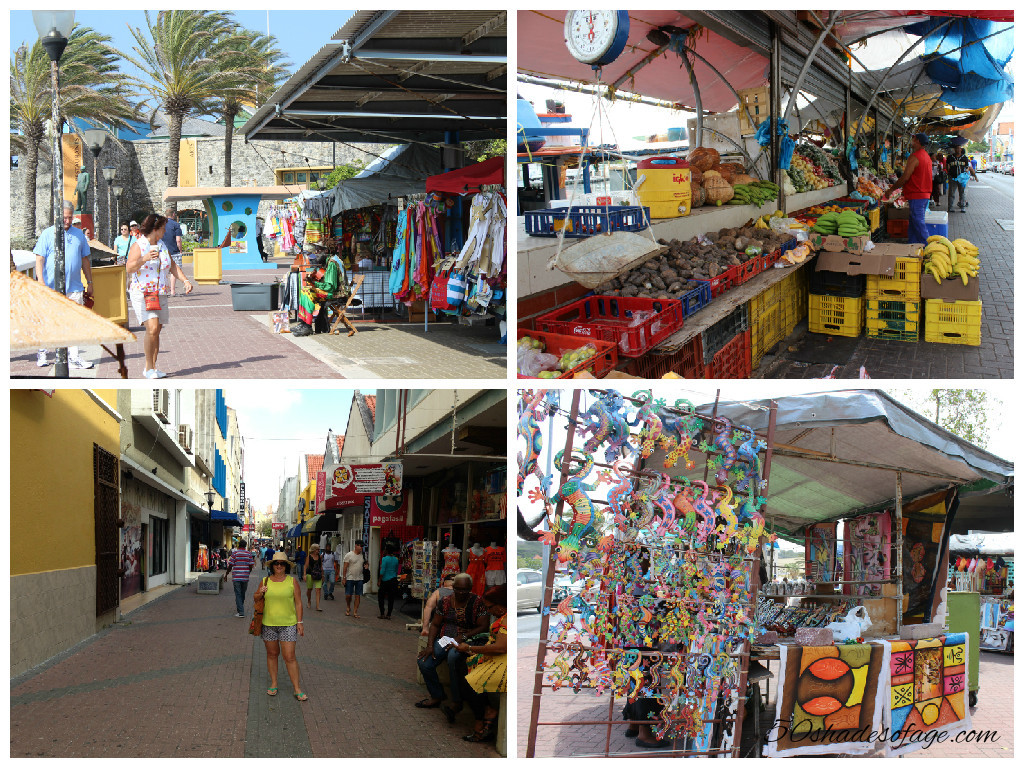
Willemstad Shopping
So apart from history and Dutch inspired architecture, Curacao has more than 35 named beaches and offers fantabulous choices for sun, sand, and surf. Some are intimate pocket beaches in finger coves surrounded by massive cliffs, while others are expansive stretches of sand secluded by nature or bustling with activities – like Mambo Beach Club, where we stopped.
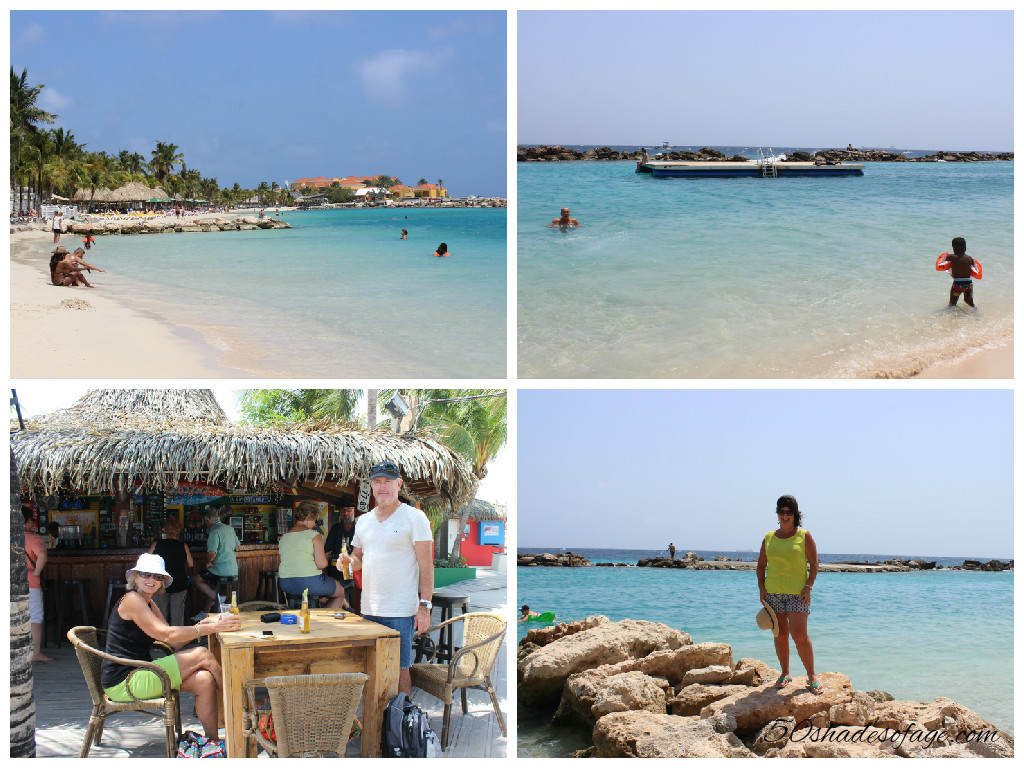
Curacao Beaches
We took a mini-bus tour around part of the island with an extremely informative and entertaining Dutch tour guide who filled us in on the intriguing history of Curacao and stopped at some of the points of interest along the way, such as the Curacao Liqueur Factory, Mambo Beach Club and scenic vantage points. Lastly our bus drove across the Queen Juliana Bridge, one of the highest bridges in the world, at 185 feet above the sea level of St Anna Bay to accommodate the tanker ships entering the narrow harbour. The views from this bridge were stunning, however we could not stop on the bridge to take any photos.
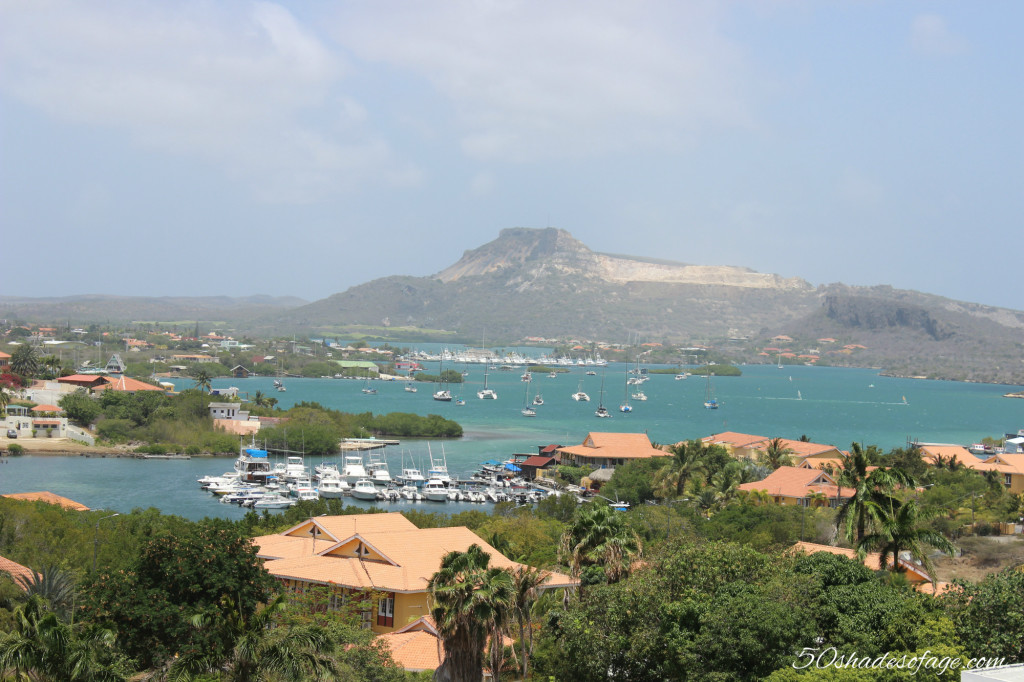
Views over Boat Harbour, Curacao
Now I know you have been dying to know what that huge sign ‘dushi’ in the middle of Willemstad means? If you call someone ‘dushi’ it means you are calling them sweetheart, babe or even sexy. Which pretty much sums up what I thought of Curacao – it is a very ‘dushi’ place!
Check out my previous post on the Caribbean Island of Aruba
Linking up with Travel Photo Thursday
Linking up with Weekend Travel Inspiration

Comments are closed.




Ruth - Tanama Tales
July 17, 2015Curacao is so beautiful. I have always wanted to go. BTW, Blue Curacao is super popular in Puerto Rico. Wonder if it is also popular in other parts of the Caribbean.
Kathy
July 17, 2015Hi Ruth, Curacao was a beautiful place. So curious that Curacao liqueur is made here. I imagine that it is a drink that is enjoyed throughout the Caribbean. I remember drinking it when I was young. :)
Johanna
July 17, 2015Curacao certainly does look a ‘dushi’ kind of place. Love the pastel colours. I have always wanted to go to this part of the world … definitely on the bucket list after your posts.
Kathy
July 17, 2015Curacao was very ‘dushi’. I loved it. It did feel a little like Amsterdam with the cobbled streets, the pastel coloured buildings and the Dutch people. Such interesting places in the world! :)
budget jan
July 17, 2015Interesting that they chose blue to be used in the Curacao liquor. I bet a few people have been surprised by the opening bridge – and a little worried too. Going on a mini bus around the island would have been an awesome thing to do. :)
Kathy
July 17, 2015Yes I don’t know how they ever decided to colour the liqueur blue, but it is certainly a very vibrant blue. My husband was fascinated by that opening bridge. He would have watched it all day if I let him! What is it with men and engineering feats? Lol
Michelle Weaver (@pinkypoinker)
July 17, 2015I’ve been to Amsterdam and those Dutch inspired buildings are very authentic! My husband would be fascinated with that bridge too.
Kathy
July 18, 2015Curacao did look and feel very Amsterdam-like (it even had its own Red Light District!) If that opening bridge wasn’t enough, my husband then got obsessed with the other really tall bridge over the harbour! I practically had to drag him out of the place!
malaysianmeanders
July 18, 2015I had no idea that’s what curacao was made from. I wonder what the Dutch people who were sent over to the islands to govern it thought centuries ago. It’s so different from the Netherlands, but I like how they try to make it their own with all the buildings. Dushi indeed.
Kathy
July 18, 2015Me either and I certainly didn’t know that Curacao was made in Curacao! It appears the Dutch, French and Spanish were all fighting over some of the Caribbean Islands back in the 1600s. They had vast plantations on some of the islands and used slave labour to work them. Having visited Amsterdam in The Netherlands I felt it was very Dutch-like.
Paula McInerney
July 18, 2015I love colour and wonder why my own city doesn’t use colour to give it that extra zing like Curacao has.
Kathy
July 18, 2015I agree totally. Aren’t the colours just brilliant in Curacao? Much better than different shades of grey that our cities tend to go for. :)
Jennifer (Dr. J)
July 19, 2015Such a colorful place! Thanks for sharing it with us.
Kathy
July 19, 2015You are very welcome Jennifer. Curacao was certainly a breath of fresh air! :)
Kathy @ SMART Living 365.com
July 19, 2015Hi Kathy! I’ve never been to Curacao but I love travel so this is somewhere I need to put on my list. And yes, a cruise sounds like a really great way to do it. Lots to see and a beautiful beach, what more can we ask for? Thanks for the inspiration. ~Kathy
Kathy
July 19, 2015The Caribbean cruise was an easy way to see a bit of the Caribbean and take in the beauty of this part of the world. I could go back there tomorrow! :)
Rhonda Albom
July 19, 2015Tropical beaches, shopping, blue drinks and colorful buildings, what else could we ask for. Interesting that the bridge turns whilst people are on it, rather than clearing it first.
Kathy
July 19, 2015Hi Rhonda, Curaçao did have a lot to offer. The floating bridge does give pedestrians a far warning and a chance to get off the bridge prior to opening. :)
Janet Camilleri (@middleagedmama1)
July 20, 2015Wow you can really see the Dutch influence! And I thought Curacao was a drink … I’ve learned something new today!
kathymarris
July 20, 2015Yes curaçao was very Dutch. I loved everything about it! :)
Nancie
July 23, 2015Hi Cathy. I can do without the brothel….haha. Anywhere that has water that blue I want to visit! I also love the colorful buildings. Living in Korea, where all the building are gray, colorful buildings get my heart racing! Thanks for linking up last week. #TPThursday
Kathy
July 24, 2015Blue Caracao like the liqueur and like the colour of the water! I loved the pastel coloured buildings too. As for legal prostitution, I guess it is better than it being illegal – I think it cuts out the pimps and underworld sleezebags. It was a lovely place however. :)