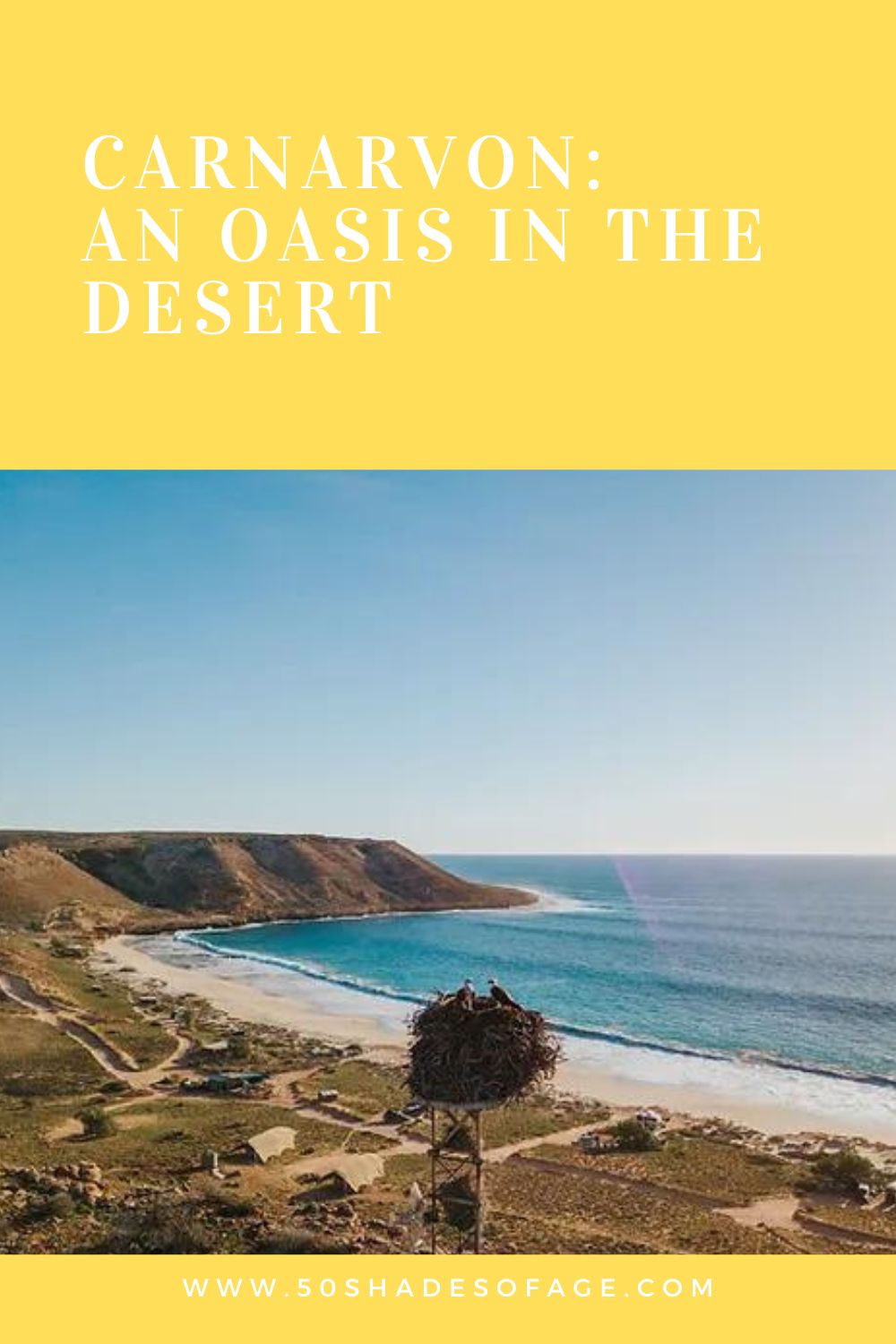
Carnarvon is located 904 kilometres north of Perth and is the hub of the fertile river delta of the Gascoyne River, where a vast array of fruit and vegetables are grown. Carnarvon is an oasis in the the desert because it is situated at the only point of the Australian coastline where the central desert reaches out to the sea.
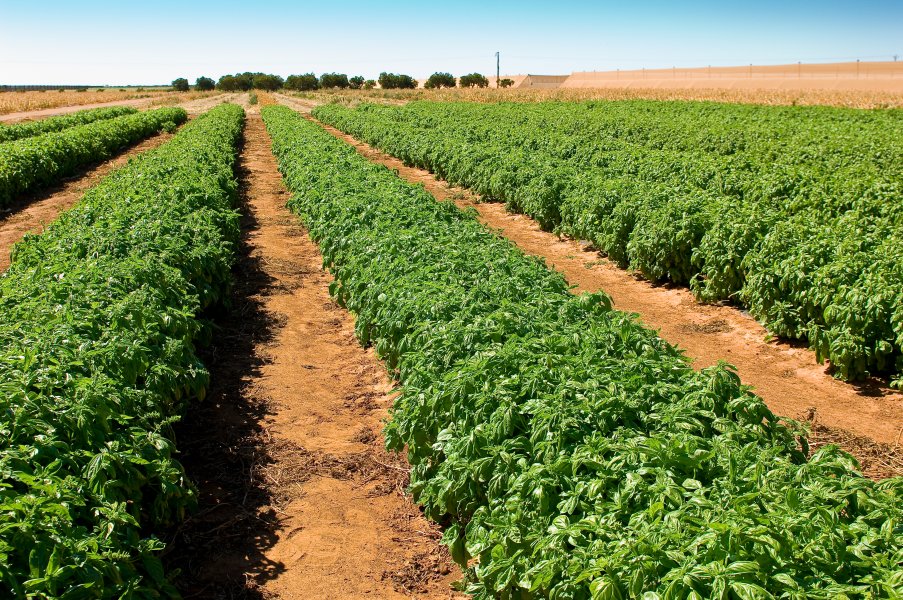
Market Gardens on the Gascoyne River, Carnarvon
Carnarvon has grown in stature over the years as a popular base to stay, sample the local produce, relax, fish and explore outlying areas. The towns waterfront, known as The Fascine, is fringed with a pretty palm lined walkway and features Carnarvon’s one mile jetty, one of the longest jetties in West Australia.
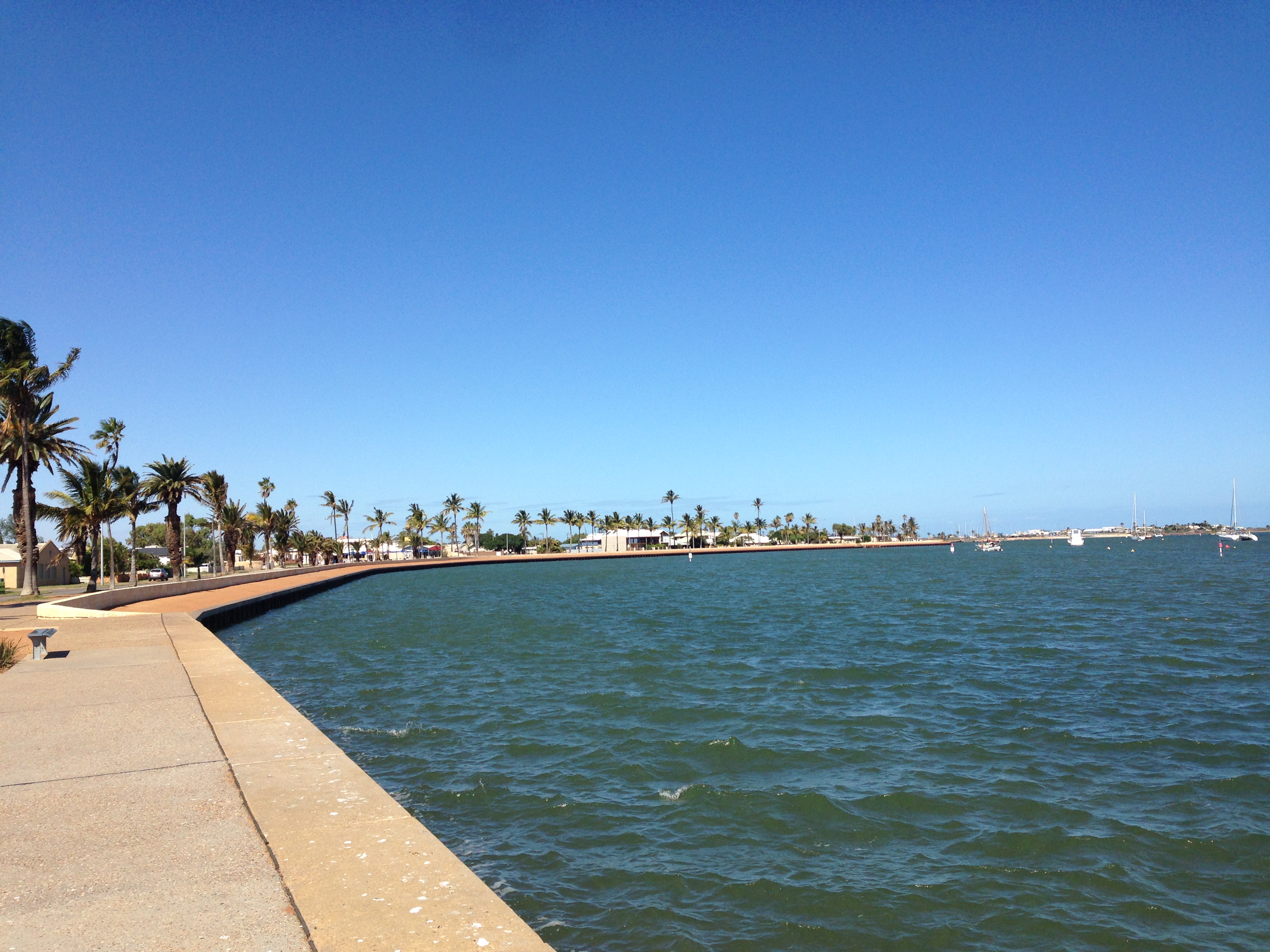
The Fascine, Carnarvon
During your visit here the must see things in Carnarvon are:
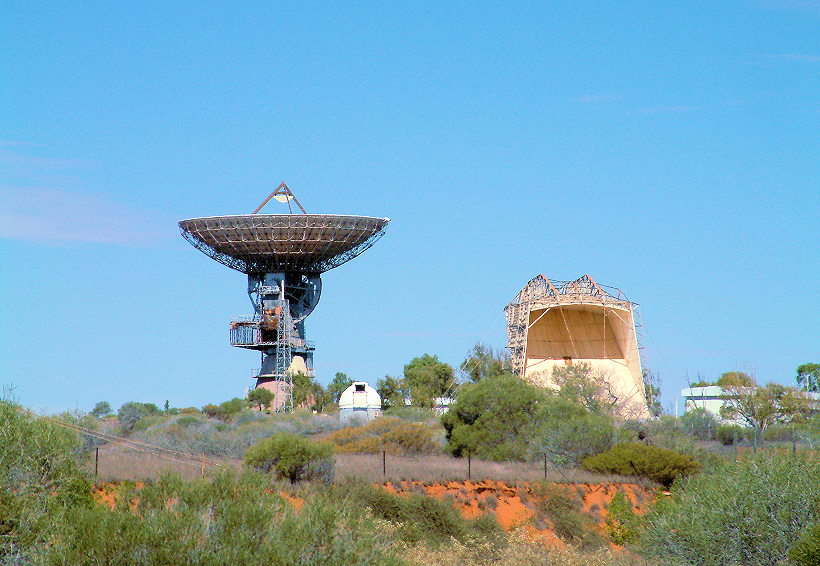
Space Satellite Dish, Carnarvon
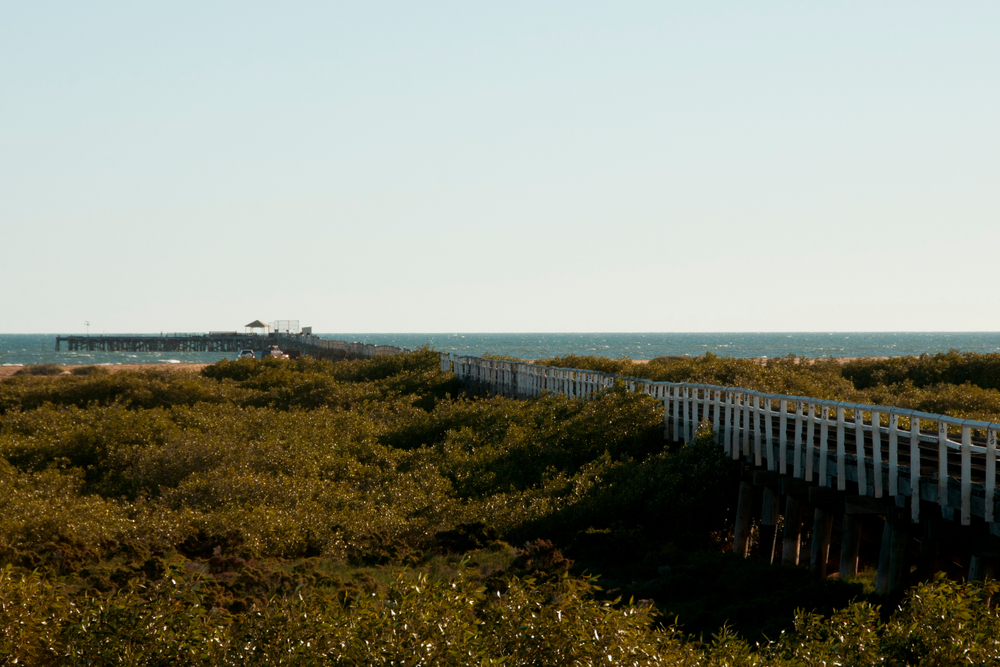
One Mile Jetty Carnarvon
Driving 75 kilometres north of Carnarvon is Point Quobba, a calm coral filled lagoon abundant with fish and shells. It is the southern gateway to the Ningaloo World Heritage Area and as such offers visitors the opportunity to snorkel along reef systems and view the amazing colourful sea life such as tropical fish, corals and sea turtles.
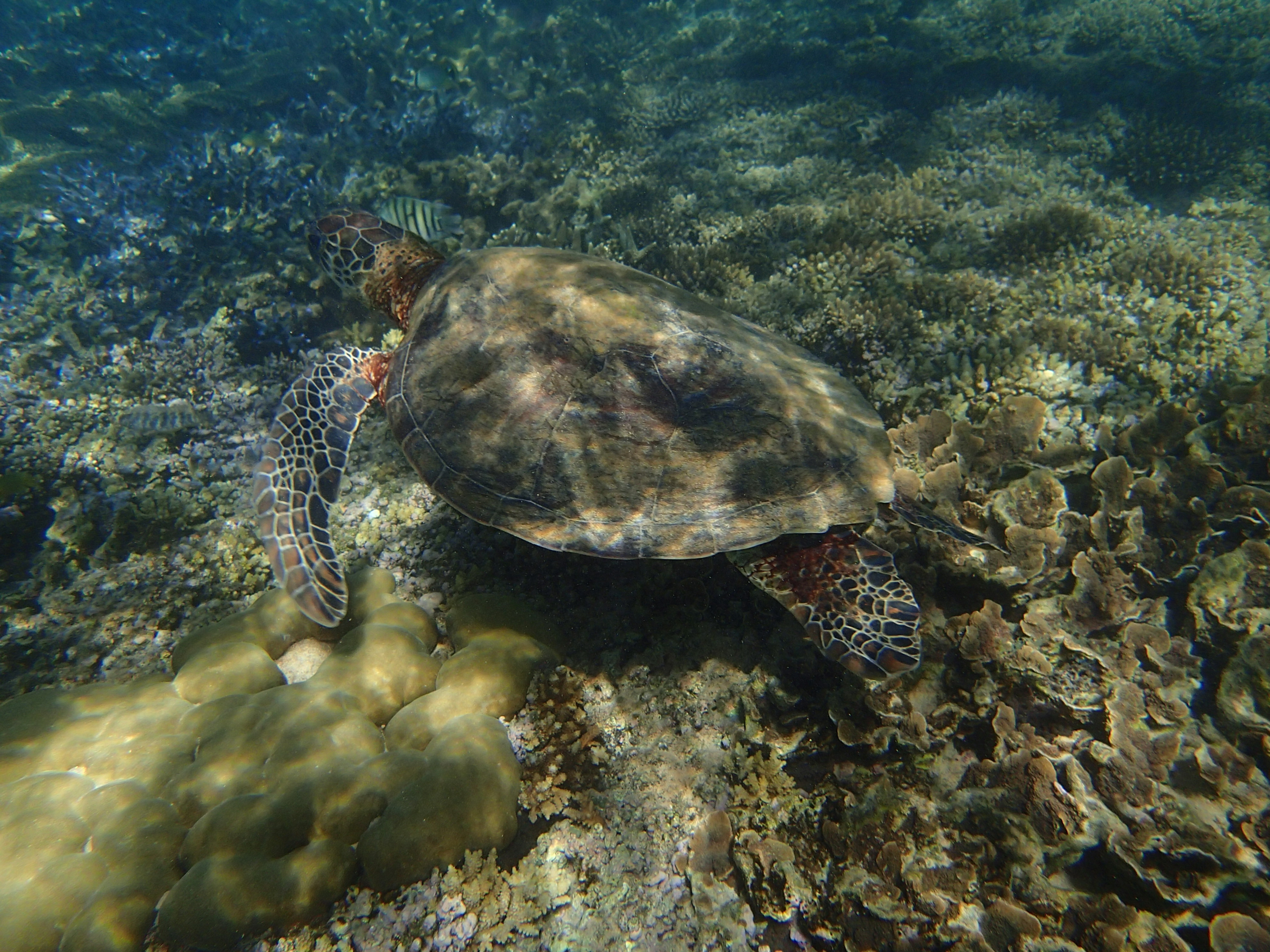
Snorkelling at Point Quobba
The white sandy beaches of Point Quobba make it a much favoured area for safe swimming, sun bathing and a great family picnic area. There is a fantastic camping area located amongst the coastal sand dunes overlooking the beach, where we stayed for four wonderful days.

Point Quobba
Nearby is the natural phenomenon of the Blowholes which is caused by powerful ocean swells forcing water through sea caves and up out of narrow holes in the rocks causing jets of water to erupt up into the air.

The Blowholes, Quobba
During our stay at Quobba we did a 60 kilometre day trip to Red Bluff along gravel roads passing by the salt mine operations at Lake Macleod, a huge dry salt lake, along some very rough dirt tracks at times to Red Bluff. After such a bumpy ride, we were not disappointed when we first caught sight of this remote piece of paradise. There was not only an abundance of beauty on this gorgeous white sandy stretch of beach, but marine life leaping out of the clear aqua blue waters.
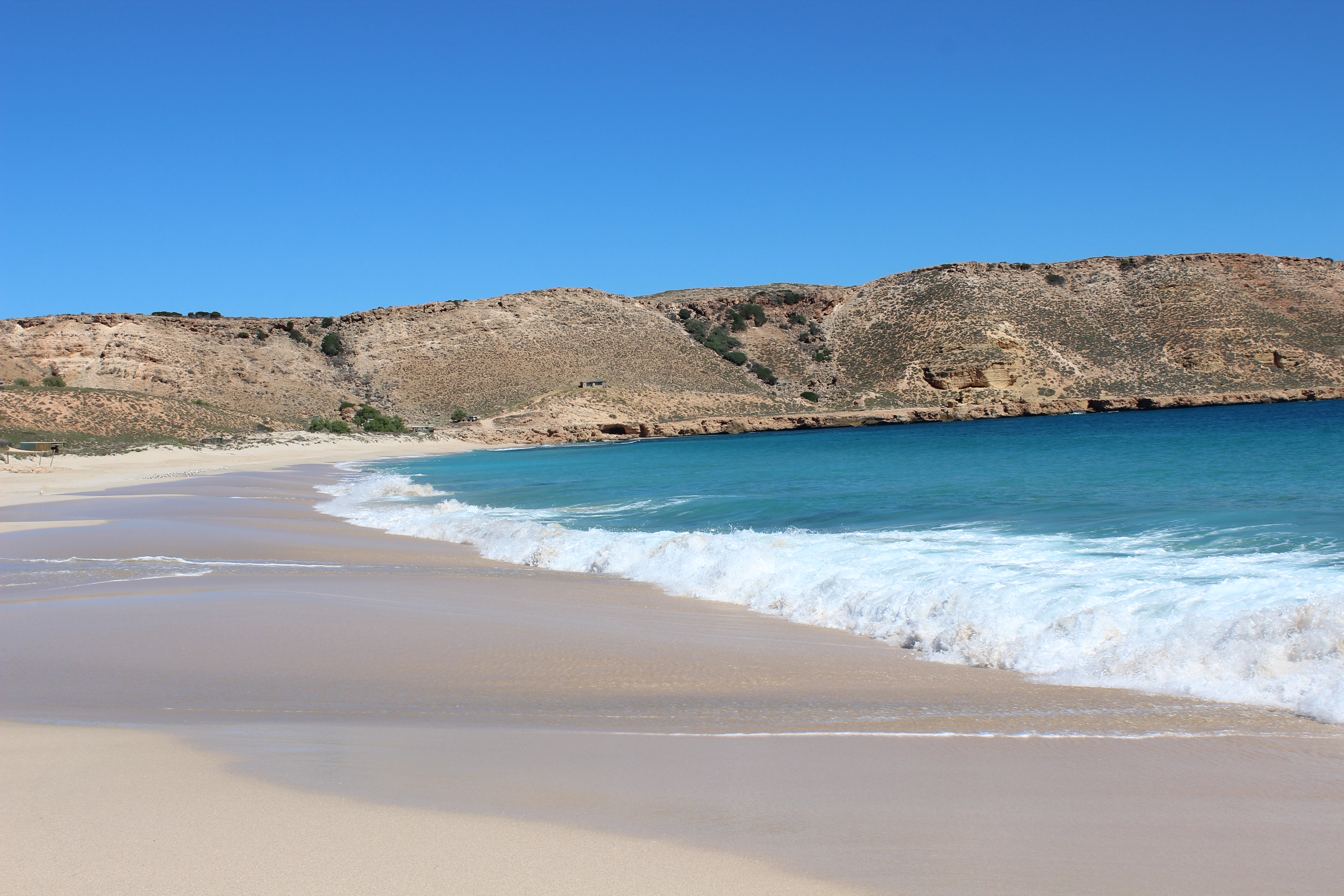
Red Bluff
This hideaway is an Eco Retreat like no other. There are luxurious eco-safari tents or seascape bungalows that have panoramic views over the white sandy beach and turquoise waters. There are also campsites available or rustic palm fronded humpies for the more adventurous. So remote and so blissfully magical, that I couldn’t think of a better place to revitalize your mind and body.

Eco Retreats at Red Bluff
After we took a leisurely stroll along the shoreline we had a refreshing swim and a body surf in the waves of the pristine water that looked so inviting. Afterwards we saw sharks swimming in close to shore and watched some youngsters catching huge Spanish mackerel fish offshore on a kayak. After talking to the managers of the resort they informed us that sharks were often seen close into shore and that the point break off the bluff was a famous surfing spot known as the Bluff Barrel for the dedicated surfers.
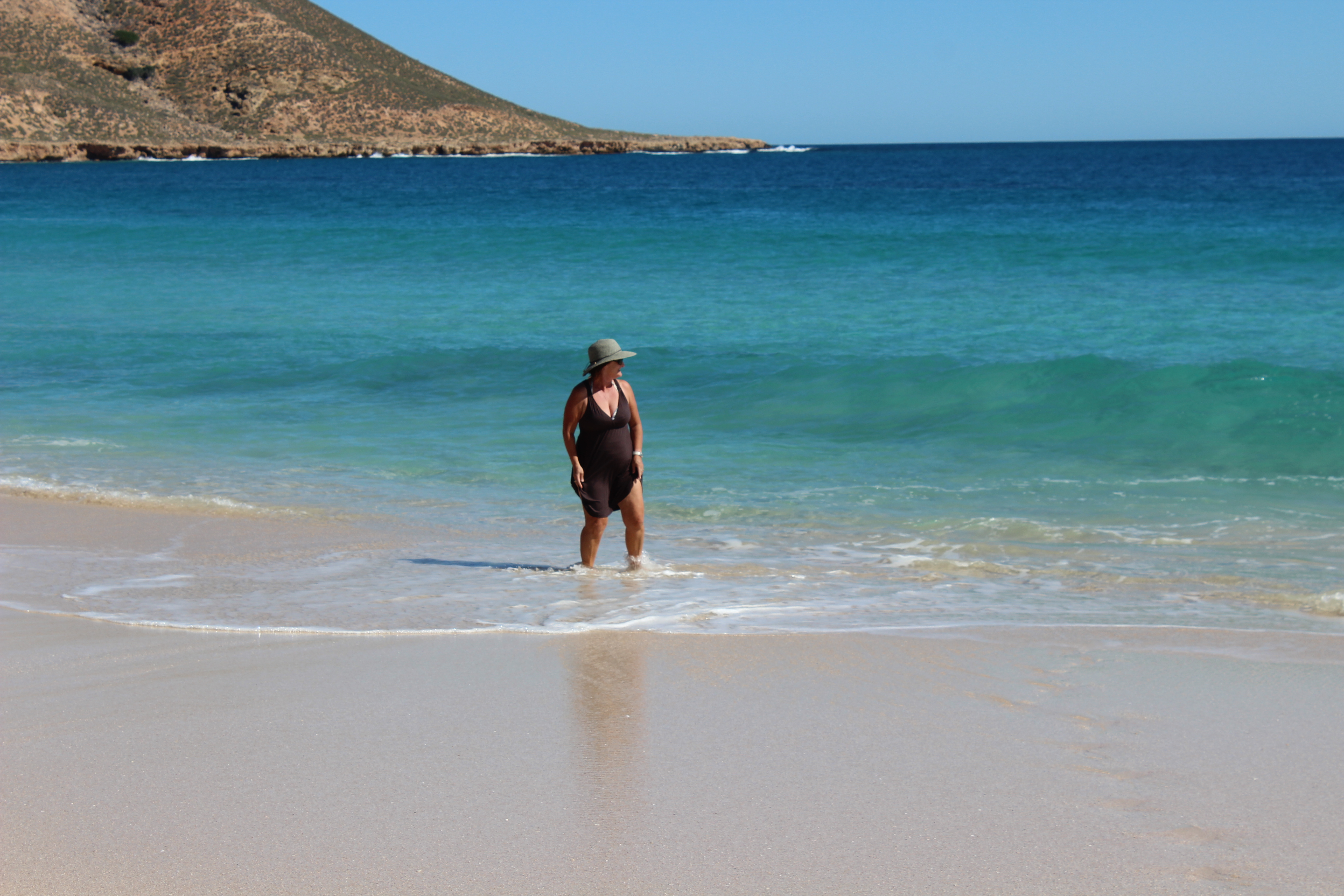
Red Bluff Beach
This magnificent stretch of coastline boasts towering cliffs, rugged coastline and sandy white deserted beaches. Great for fishing, surfing, windsurfing, kite surfing, swimming, snorkelling and seasonal whale watching. Three Mile and Gnaraloo are only another 10 kilometres further north from Red Bluff along the gravel road.
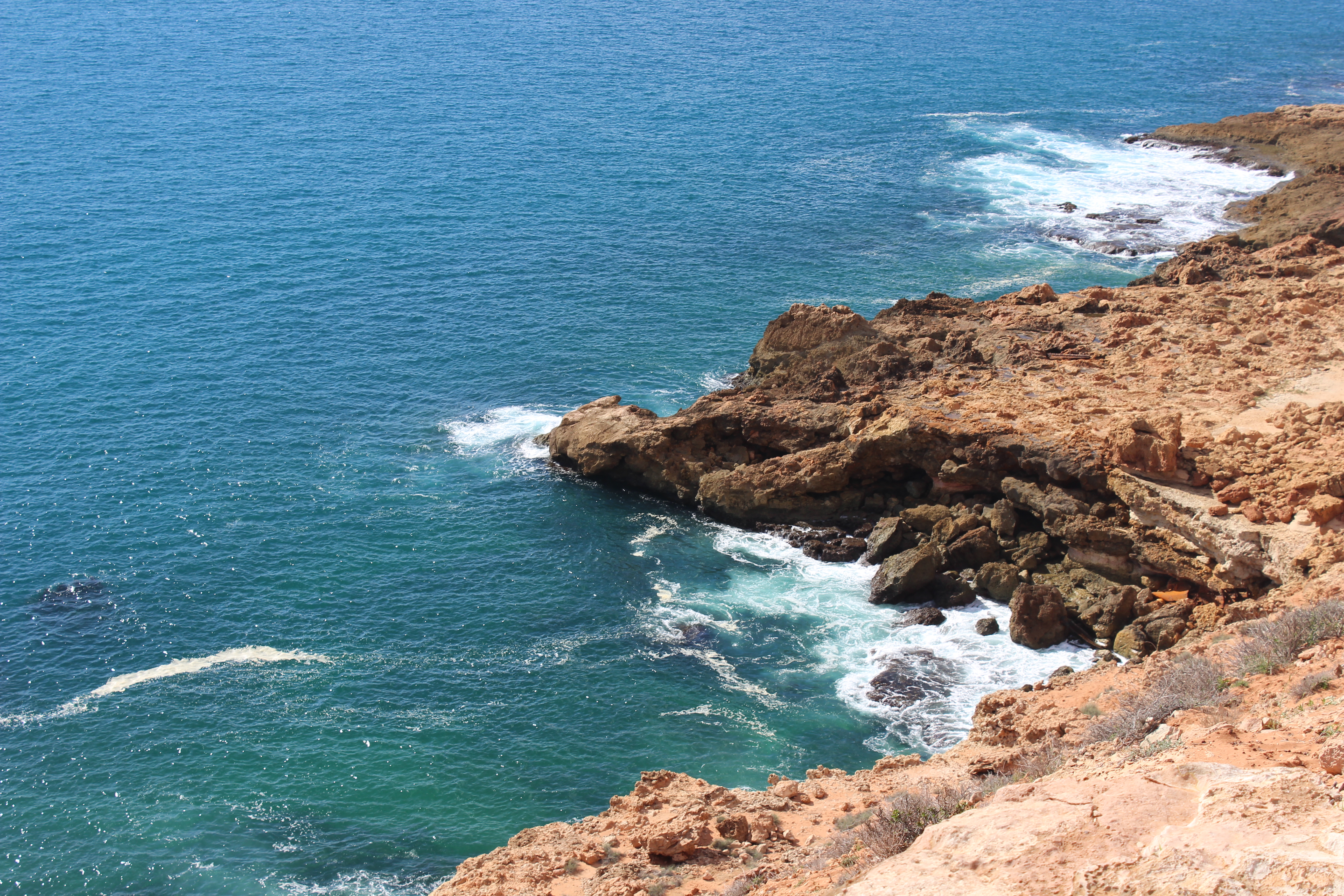
Quobba Coastline
Gnaraloo Station also is a protected nesting site for the local marine turtles that come onto station lands to nest each year. Camping sites at nearby Three Mile are popular during the winter months as surfers chase the swell of the warmer northern waters. There are also great snorkelling areas along the Ningaloo Reef systems at Three Mile Lagoon and Gnaraloo Bay.
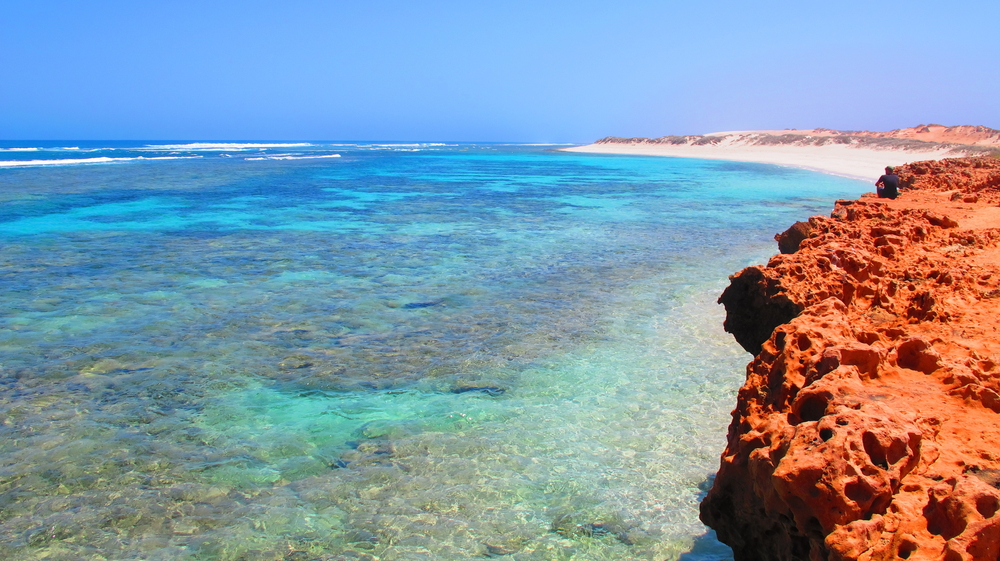
Gnaraloo Station
Fishing is extremely popular all the way along the coastline from the Blowholes all the way up the Quobba coastline through to Gnaraloo. Here it is renowned for its ballooning fishing – perhaps the most exhilarating and interesting form of land based game fishing. Bait is attached to a hook on a piece of line on the balloon and it soars into the air where the huge Spanish mackerel leap as far as 8 feet clear of the water to eat the bait!
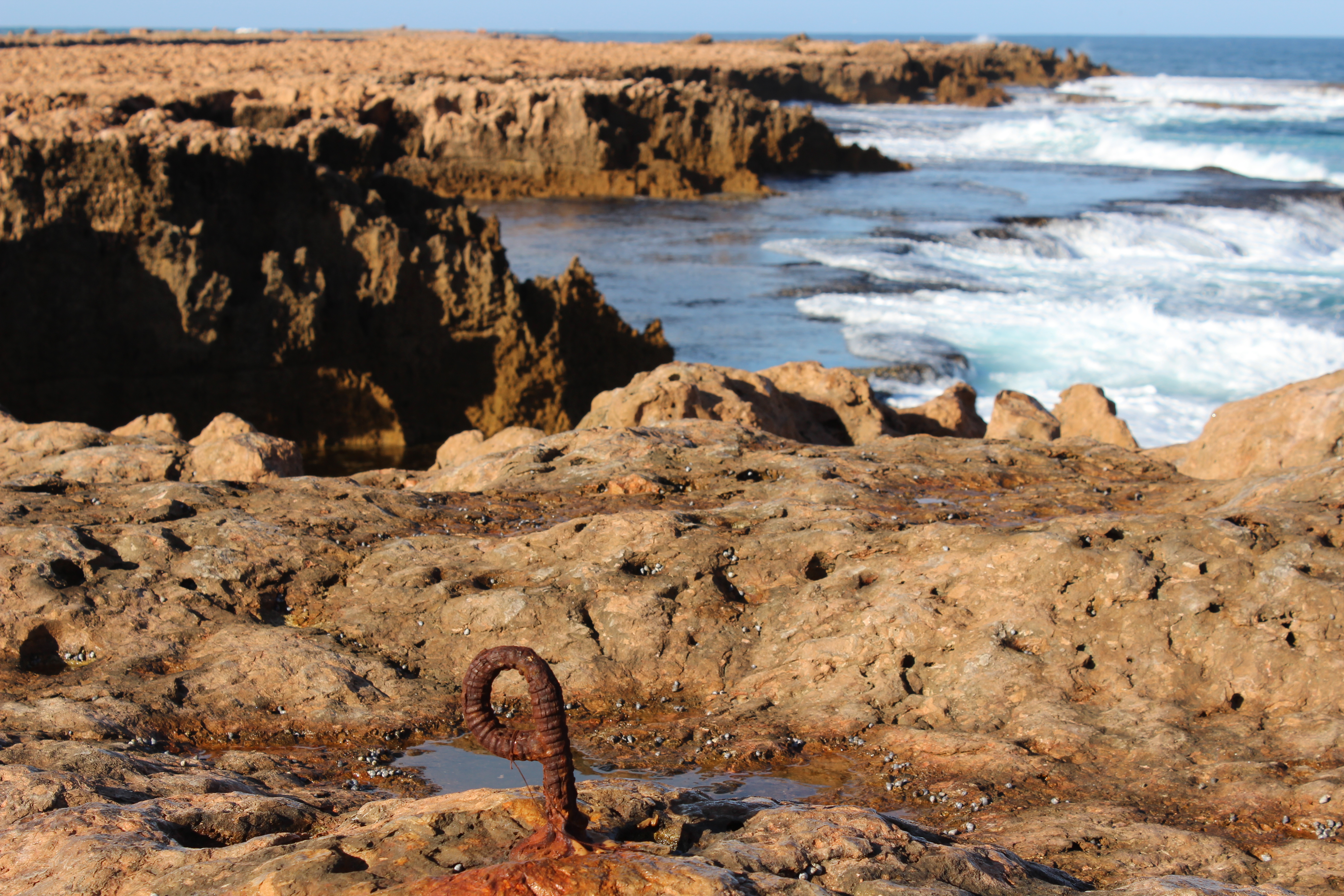
Anchor Point for Fisherman at The Blowholes, Quobba
The Quobba coastline really provided me with many wonderful experiences: Adventure, interaction with a bounty of marine species such as sea turtles, endless serene and untouched beaches and the most gorgeous sunsets over the Indian Ocean and clear starry night skies. It has made me realize that the more remote and hard to get to places are fully worth the effort. It took paradise to another level!

Comments are closed.




Johanna
June 24, 2014It certainly looks like paradise Kathy – and it’s given me some great ideas about what to do and what to expect when we get up to the North Coast again one of these days :)
kathymarris
June 24, 2014There are many little paradises tucked away along the Coral Coast which are fully worth the effort of exploring.
Susan Lattwein
June 26, 2014Great shots, remind me of a Tim Winton novel.
Kathy
June 27, 2014Thank you Susan. It is very easy to capture great shots when the scenery is so superb! Which Tim Winton novel? I am curious to know.