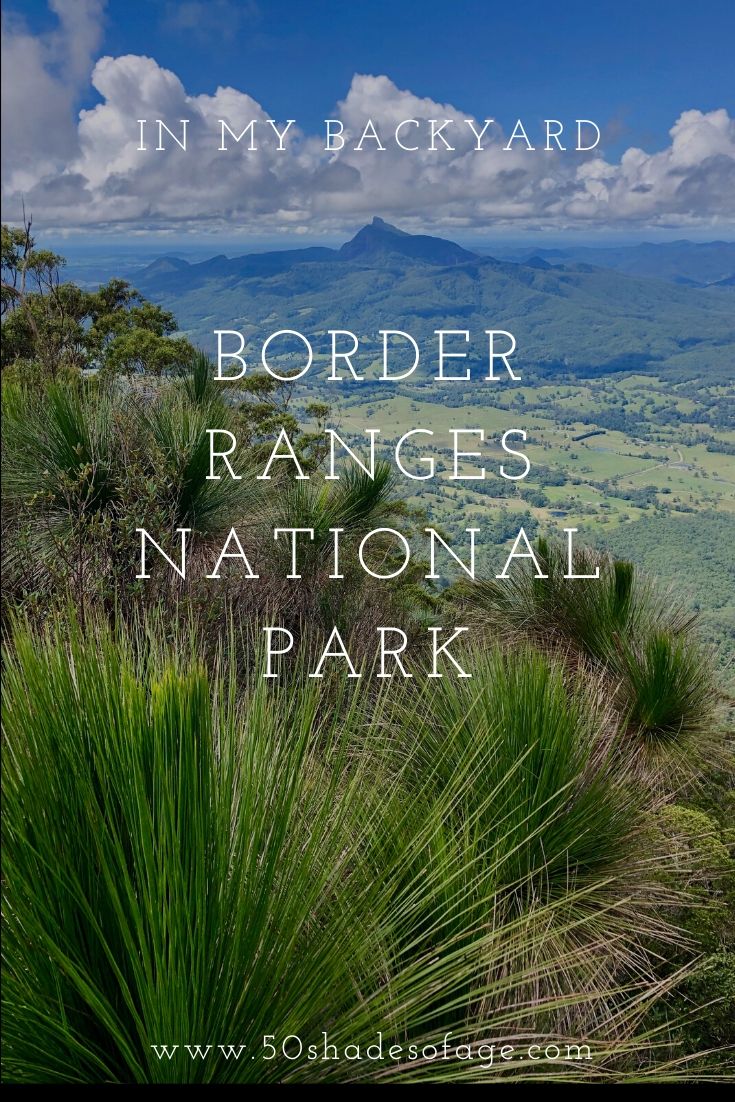
During these crazy times I realise that it’s difficult to even think about travel. In particular overseas travel has been put on the back burner for the majority. Those with travel plans for 2020 have now had to cancel arrangements. My husband and I are currently trying to cancel our flight, cruise and accommodation bookings to Spain and Portugal in late August. We have all started to think about travel within our own country, state or even city. This is how we ended up on a Sunday drive into my backyard of the Border Ranges National Park in Northern New South Wales.
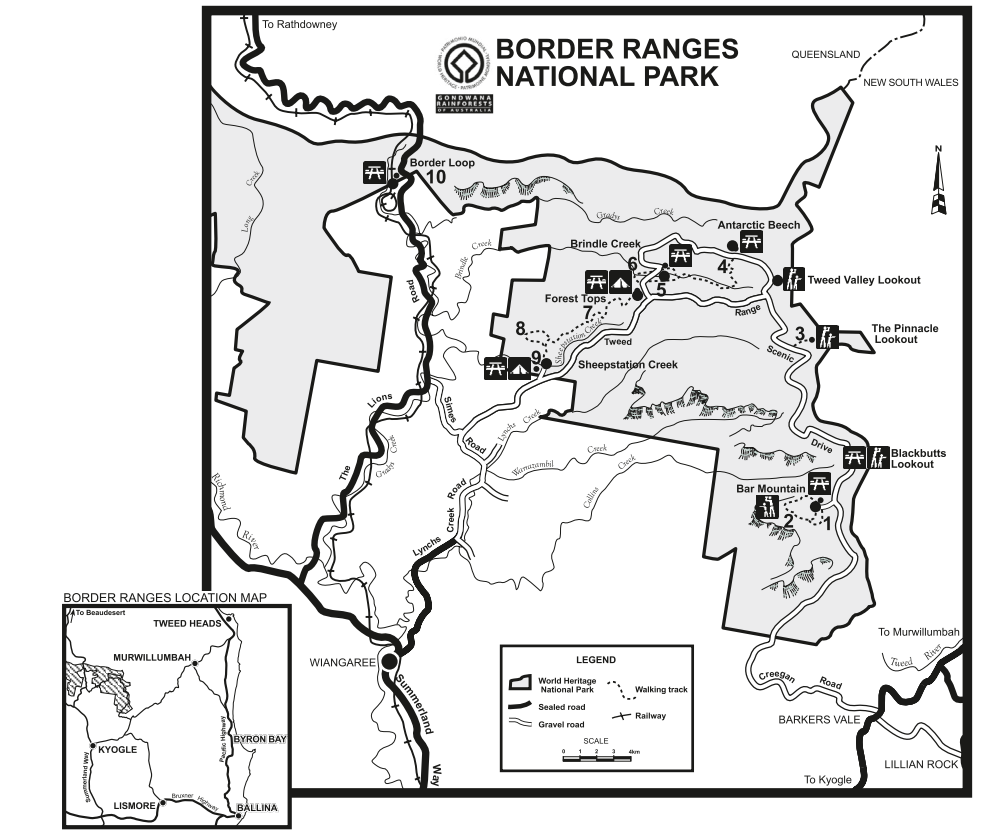
Map of Border Ranges National Park
As the name suggests, this world heritage-listed park is located on the Queensland/New South Wales border within the Tweed Caldera. The Border Ranges are also part of Australia’s Gondwana Forests and contain relics of ancient flora and fauna mostly unchanged since the Jurassic period.
The Tweed-Mt Warning-Wollumbin shield volcano, and its caldera runs from the Gold Coast through Tweed to Byron Shire and the northern Lismore region. It is arguably “the best preserved erosion caldera in the world” – according to the World Heritage listing organisation. It is also the biggest in the Southern Hemisphere.
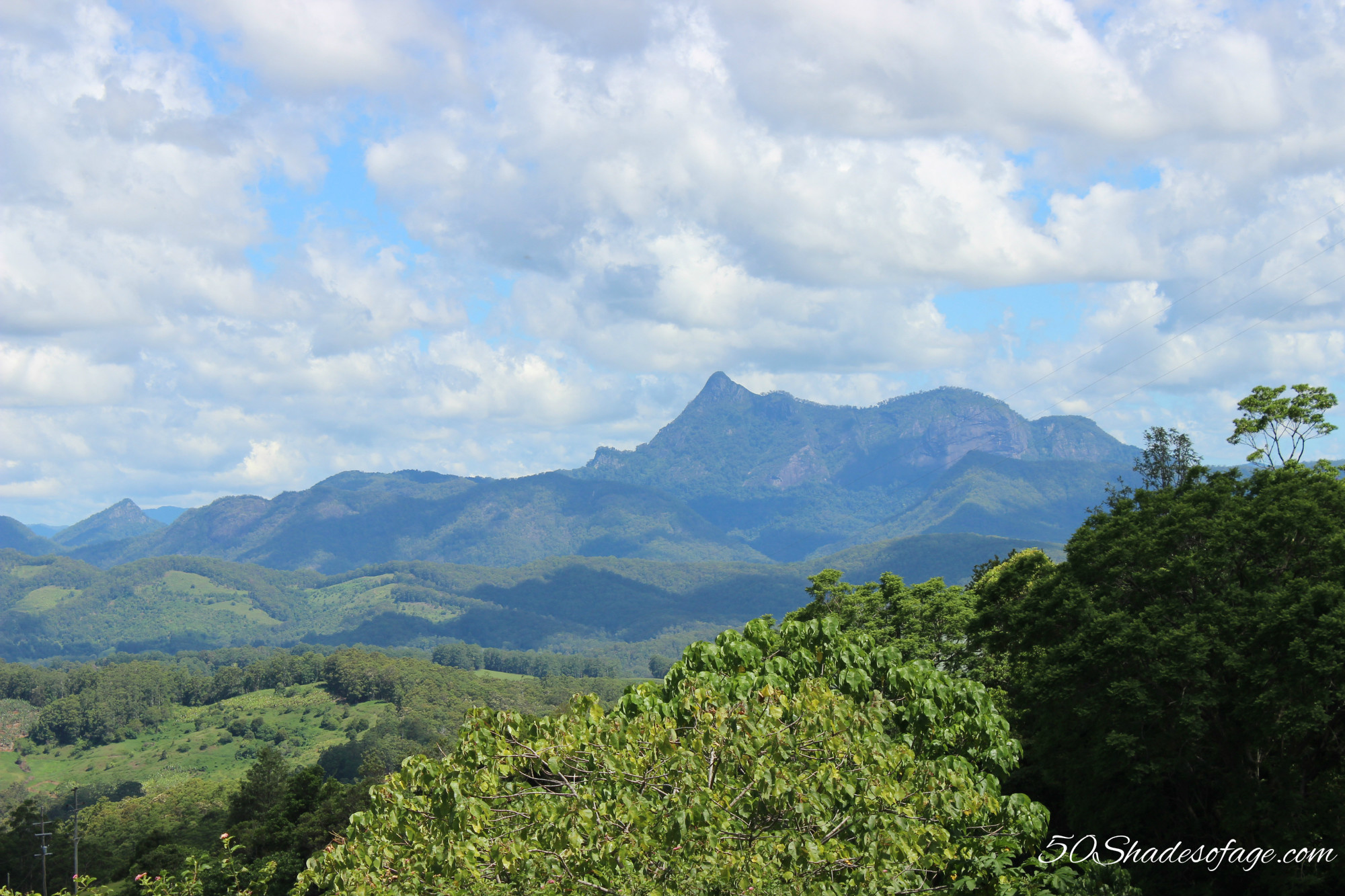
Mt Warning/Wollumbin Caldera
The north and western edges of the ranges provide the most stunning views of the caldera valley and Wollumbin, and appropriately this is where there are three spectacular lookouts.
The Border Ranges National Park measures 31,683 hectares and adjoins Lamington National Park in Queensland. It stretches 85 kilometres from east to west, so get set to spend at least a day exploring the park. Otherwise there are camping grounds within the park where you can set up camp and take your time traversing the many tracks throughout the ranges.
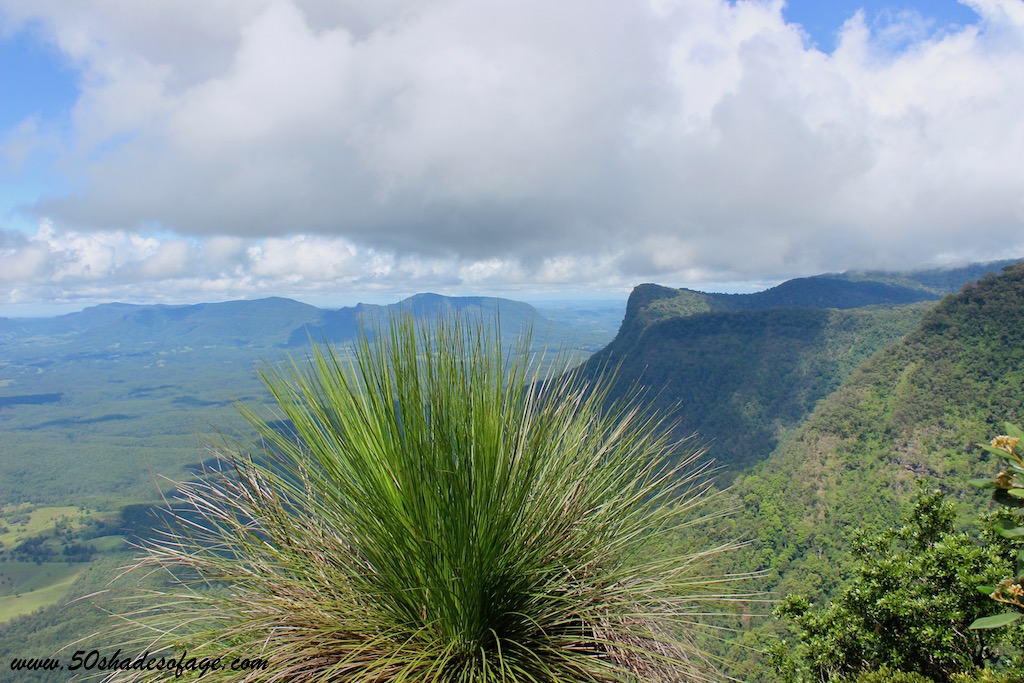
Views of the eastern rim of the Border Ranges
Coming from Murwillumbah heading west along Kyogle Road we took a right hand turn at Lillian Rock, entering the National Park from Williams Road, then taking a right onto Creegan Road. The entrance to the National Park is well sign-posted and there is a small self-service kiosk where you pay to enter the park.
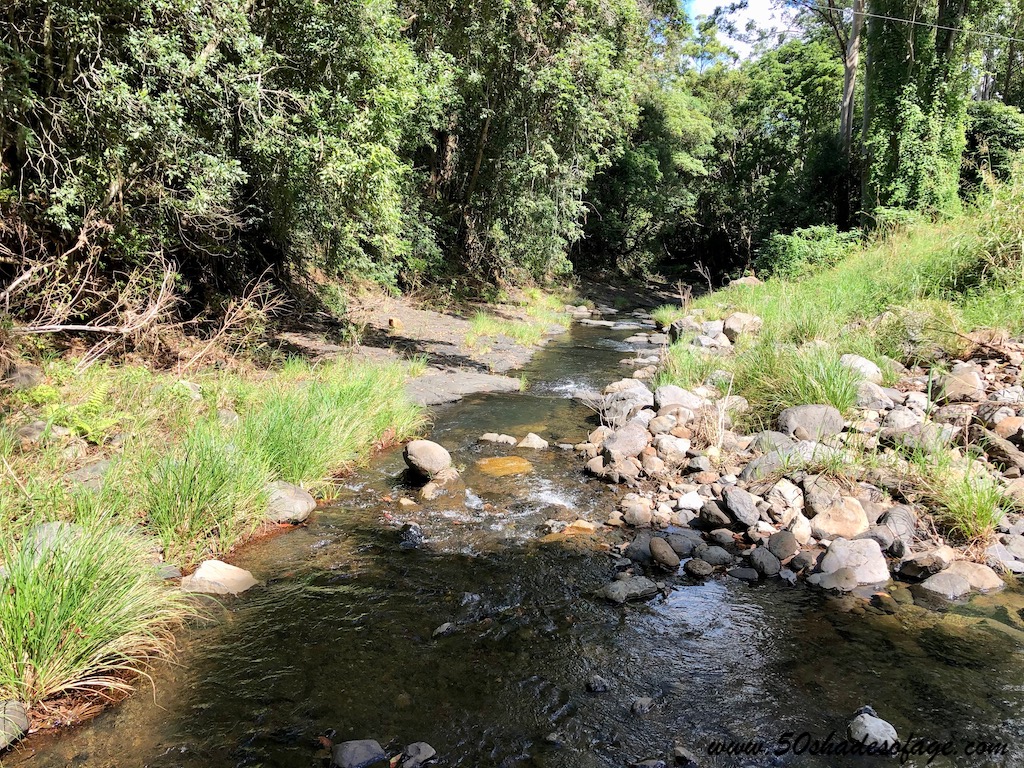
A creek crossing before the entrance into the National Park
Otherwise if you’re coming from the south you can enter the Border Ranges National Park from the town of Kyogle. Travel 15 kilometres north along the Summerland Way to Wiangaree and then turn right onto Lynchs Creek Road. The park entrance is signposted from here.
There are countless opportunities to explore the abundant wonders of the rainforest hidden throughout this rare haven, by either driving the Tweed Range Scenic Drive, camping in the park or taking on the numerous hiking trails.
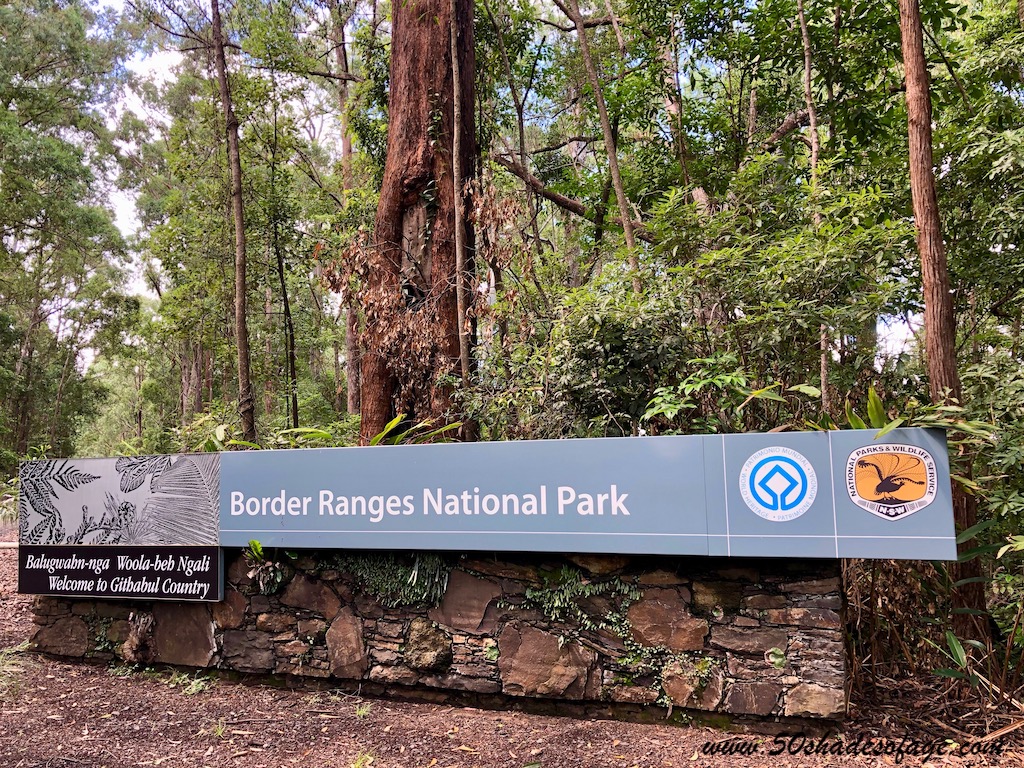
Sign at the entrance to the National Park
You can safely drive around Border Ranges National Park along the Tweed Range Scenic Drive touring route (part of the Rainforest Way). Although the road is predominantly unsealed it is in good condition and you don’t need a four-wheel drive vehicle to access it.
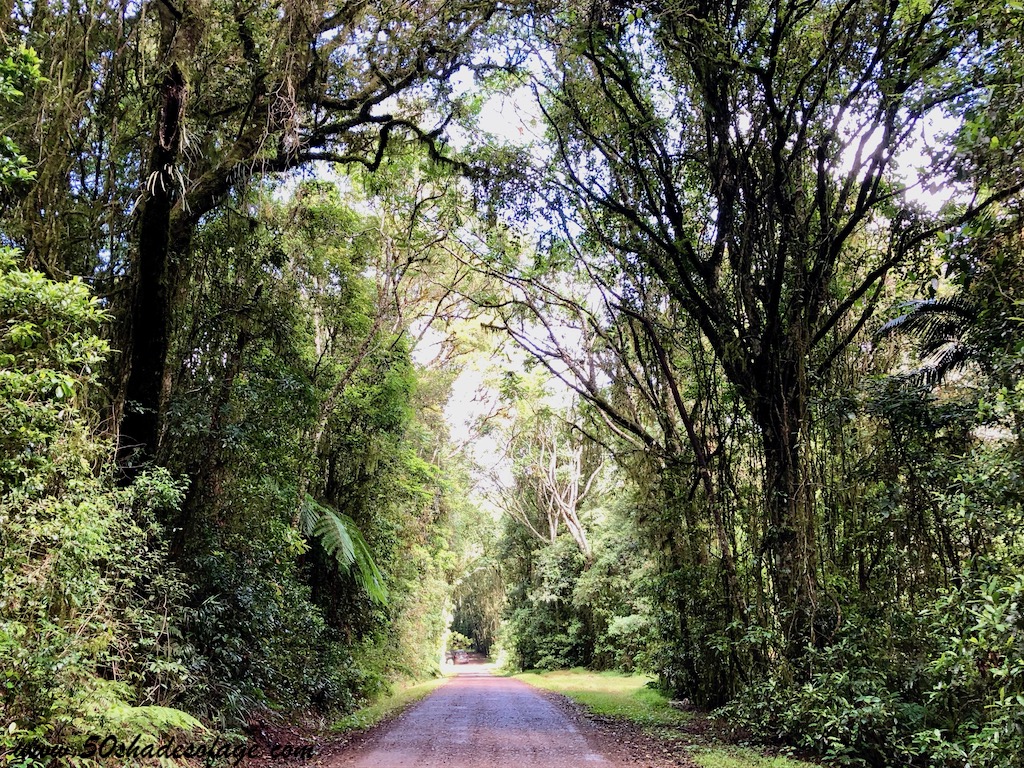
The scenic drive through the National Park
The drive comprises of a 42 kilometre all-weather gravel road crossing the eastern plateau of the park. The majority of the drive follows the caldera edge of the eroded Mount Warning volcano, providing breathtaking views. The drive can be completed in 4 to 5 hours, allowing for a leisurely pace with stops to enjoy views, strolls in the rainforest and picnic breaks.
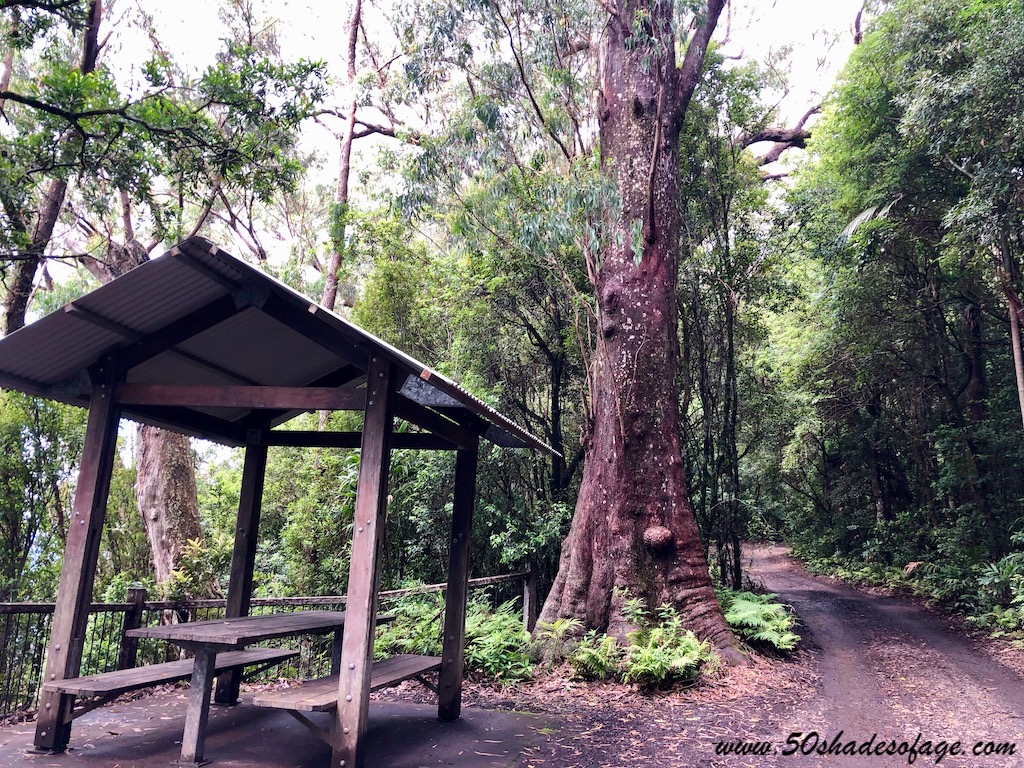
Picnic Area at Blackbutts Lookout
You’re guaranteed to find a beautiful spot for a picnic or barbecue lunch within the Border Ranges. Also make sure you stop off at some of the park’s lookouts along the way. Avid photographers will love capturing billowing waterfalls, views of Wollumbin-Mount Warning and lush rainforest plants.
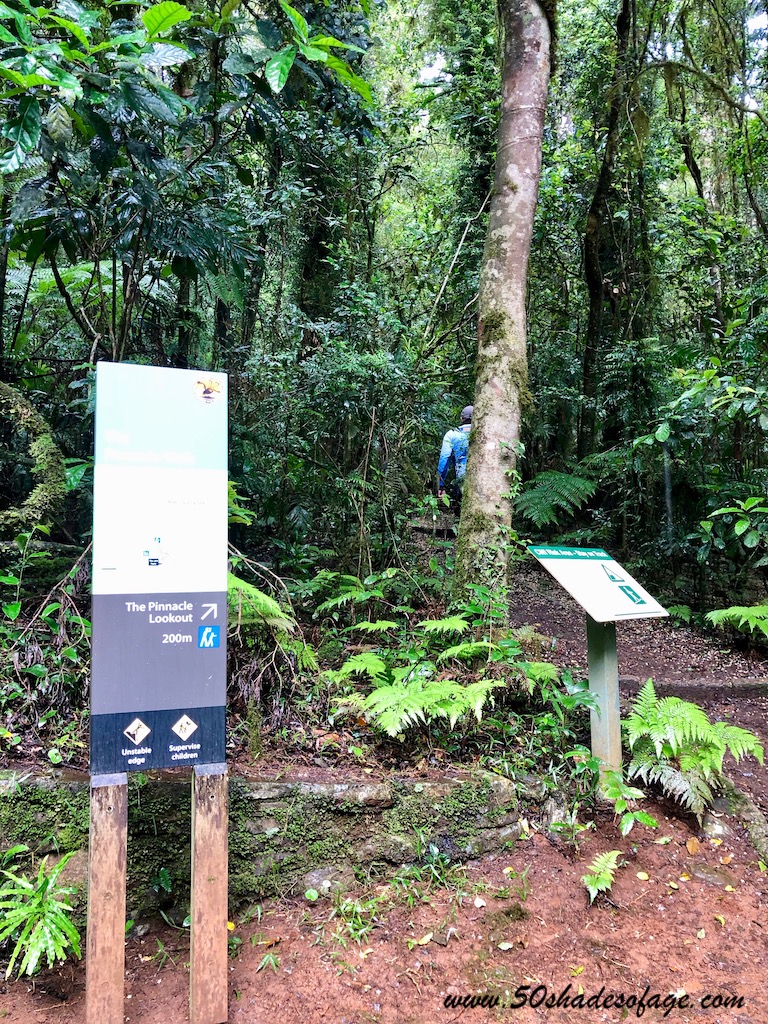
One of the rainforest walks for photographers
Walks
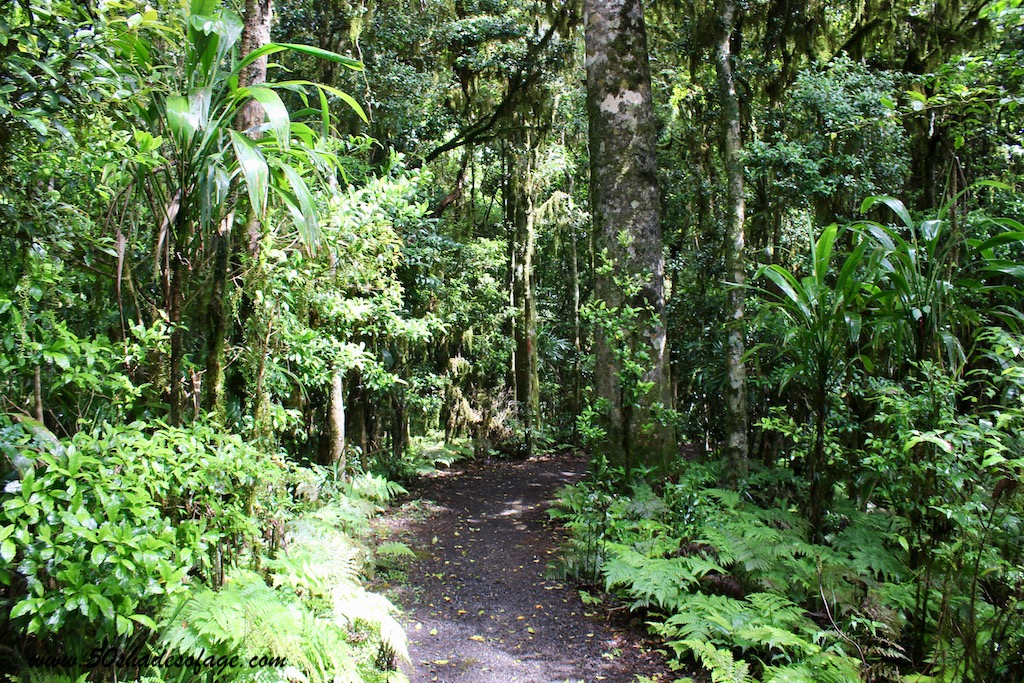
The Pinnacles Walk through the rainforest to the lookout
Lookouts
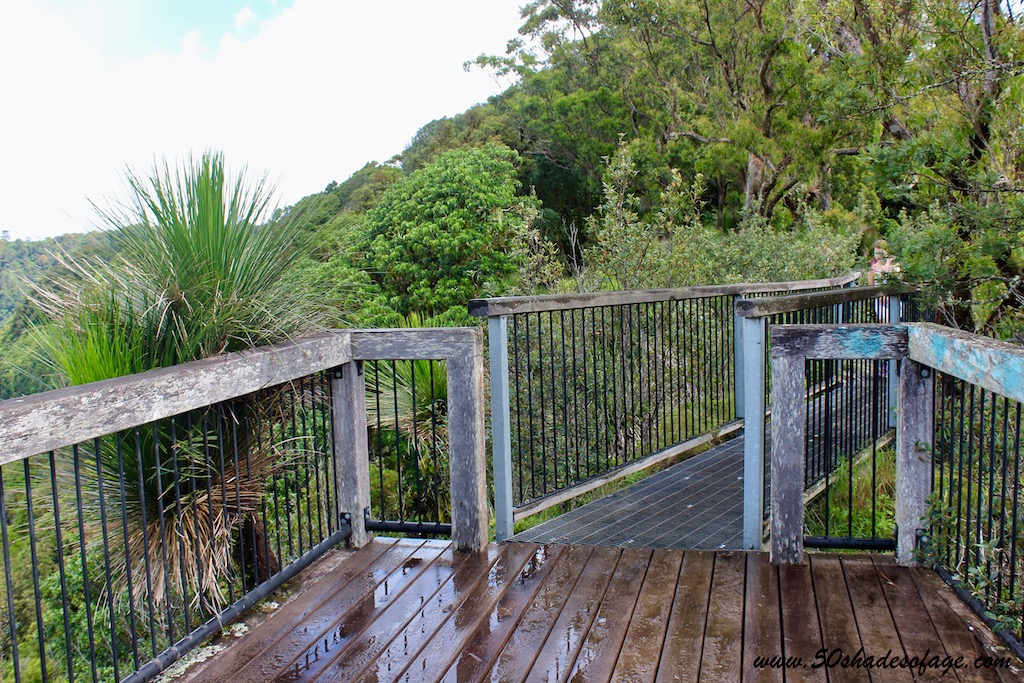
Boardwalk to The Pinnacle Lookout
There are two camping areas in the park:
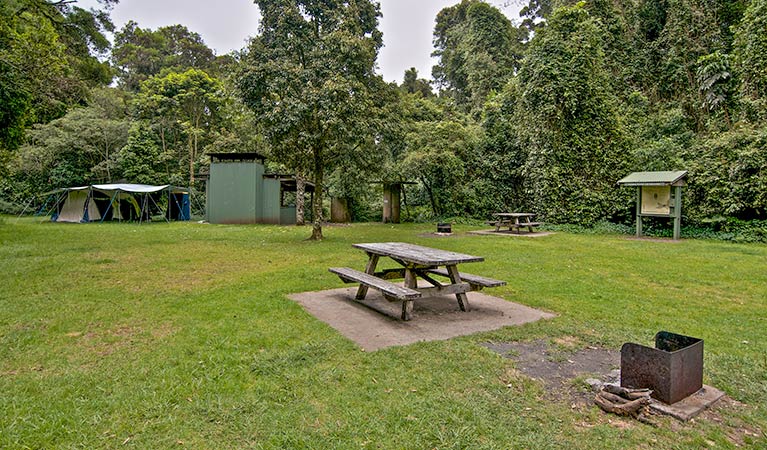
Forest Tops Camping Area
National Park entry fees of $8 per motor vehicle apply that can be paid at the self-serve kiosks at the entrance to the park. Additionally campsite fees at the daily rate of $24 per night apply, includes two people.
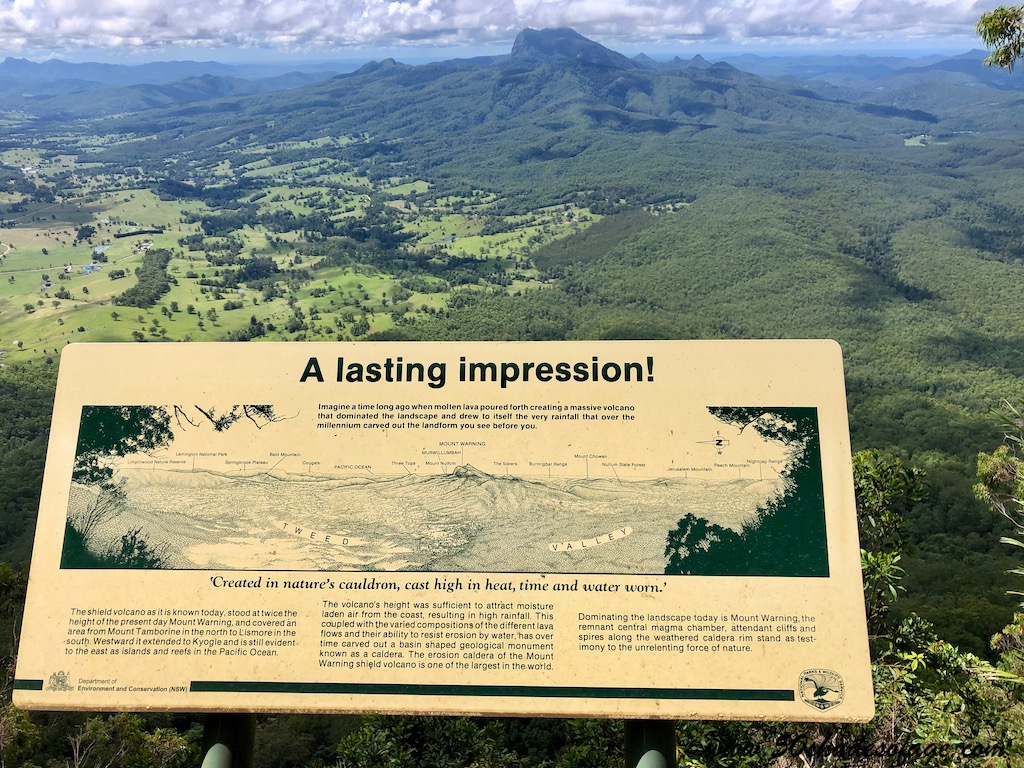
View and sign at Blackbutts Lookout
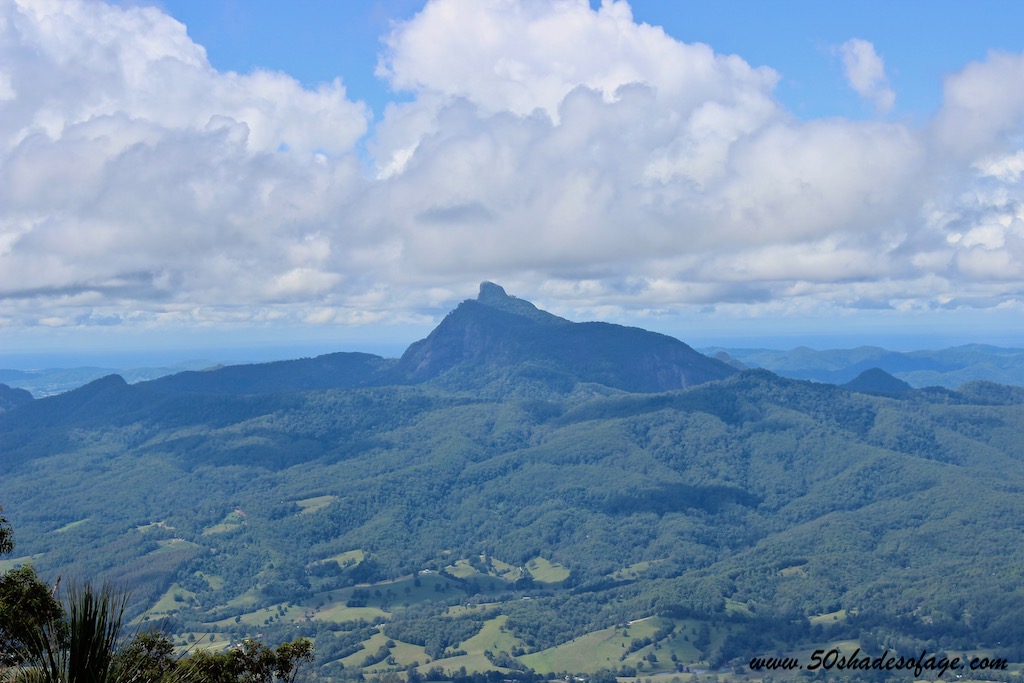
Views of the southern side of Mt Warning and Caldera
To check for the current status of the Border Ranges National Park closures and conditions head to National Parks NSW.
I can’t think of a better way to spend a Sunday, or any other day for that matter, than driving around this scenically abundant National Park.

Comments are closed.





Christie Hawkes
April 29, 2020What beautiful photos, Kathy. You gave a very good impression of this national park, and I hope someday to be able to visit. Isn’t it interesting how we can live so close to something that people come from all over the world to see and not go there ourselves. We have several national parks in our state, but have never been to a few of them. We plan to remedy that soon. Take care, stay safe, and have fun!
Kathy
April 30, 2020Hi Christie, thank you for your valued comments. Border Ranges National Park is one that we’ve had on our agenda for a while now. I only found out about it via another travel blogger from South Australia, of all places! When we moved to Kingscliff in Northern NSW I visited our local Visitor Information Centre and they gave me heaps of inspiration for day trips around Northern NSW. National Parks are full of treasures and Australia has so many of them. We’re so fortunate where we live for sure.
Allison
April 29, 2020Oh my gosh! What beauty!!!
Australia is so far for me to go from the US that it was, unfortunately not on my bucket list but it is now. I’m an outdoors lover and you just sold me on why I need to get down there!
And whoa! Is there really a volcano named “Mt Warning”? That is quite the interesting name. Lol.
Kathy
April 30, 2020Yes a real volcano named Mt Warning or Wollumbin! The region is referred to as the Green Cauldron that is evidenced with green lush rainforest, fertile soil used for farming all types of produce and lovely creeks and streams. We have actually hiked up Mt Warning and the views are spectacular. You also have some stunning National Parks in the US. We visited Yosemite NP years ago. I do hope you make it to Australia one day Allison. You will love it!
Teresa O'Brien
May 16, 2020Great photos and descriptions of Australia at it best in nature!
Kathy
May 17, 2020Thank you so much Teresa for visiting my blog. Australia does put on a show when it comes to natural beauty.